RV Rental Near Lake Apopka Wildlife Drive in Tavares, FL
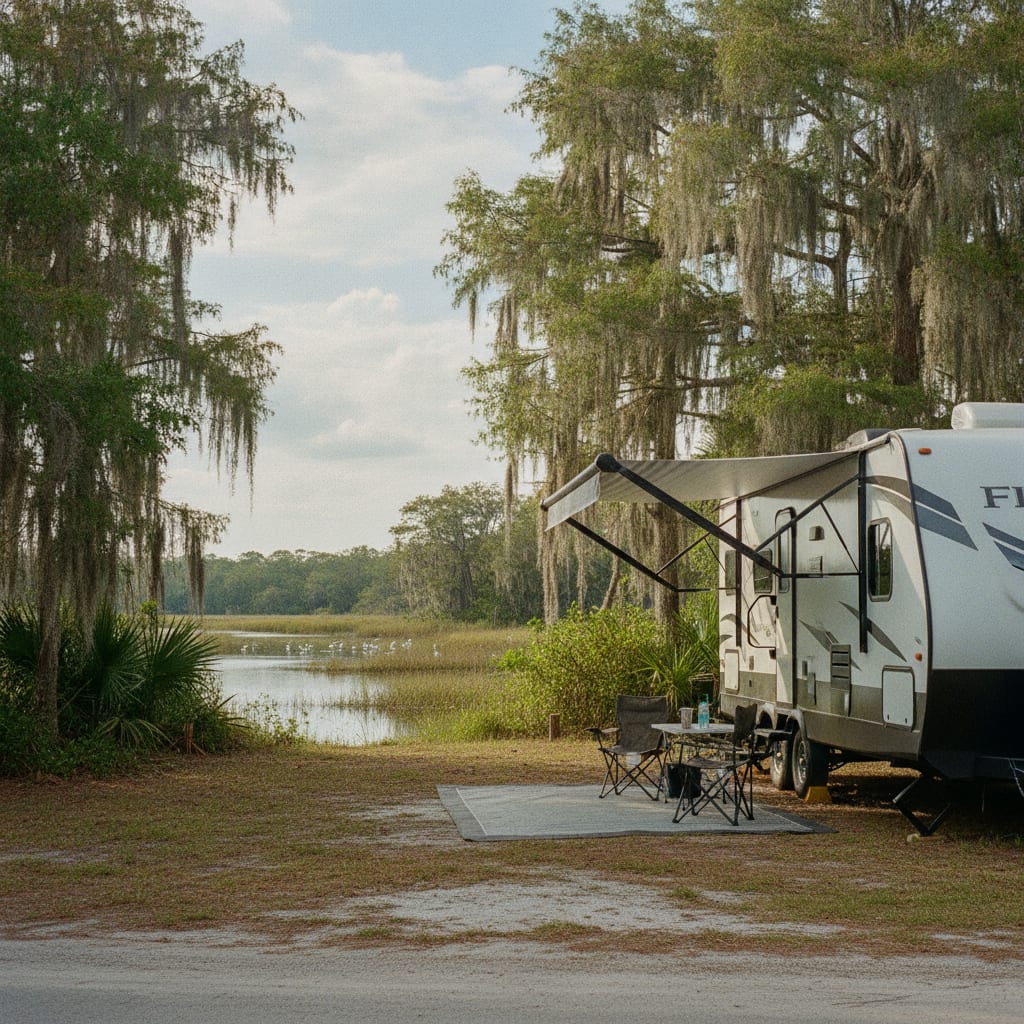
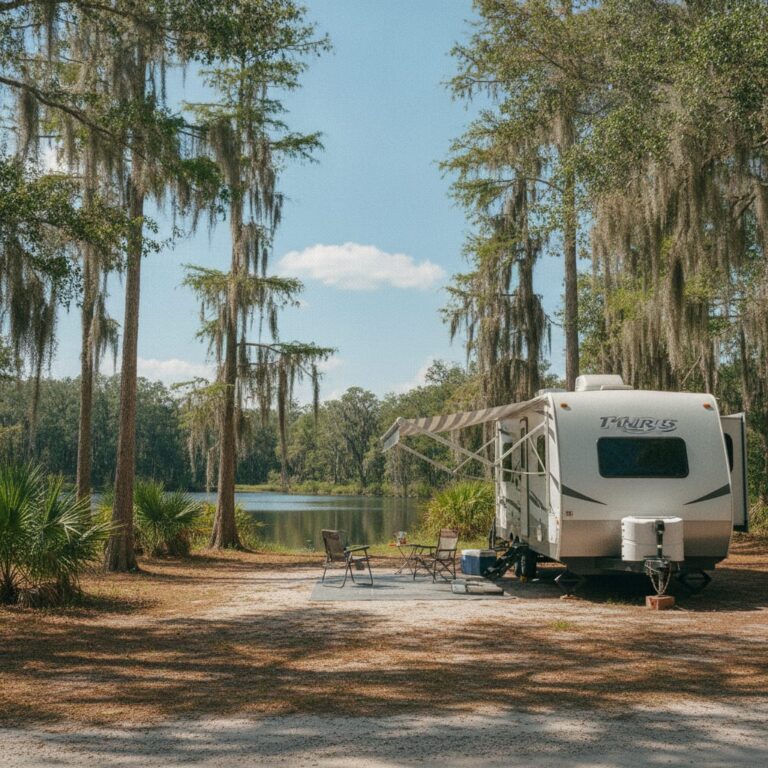
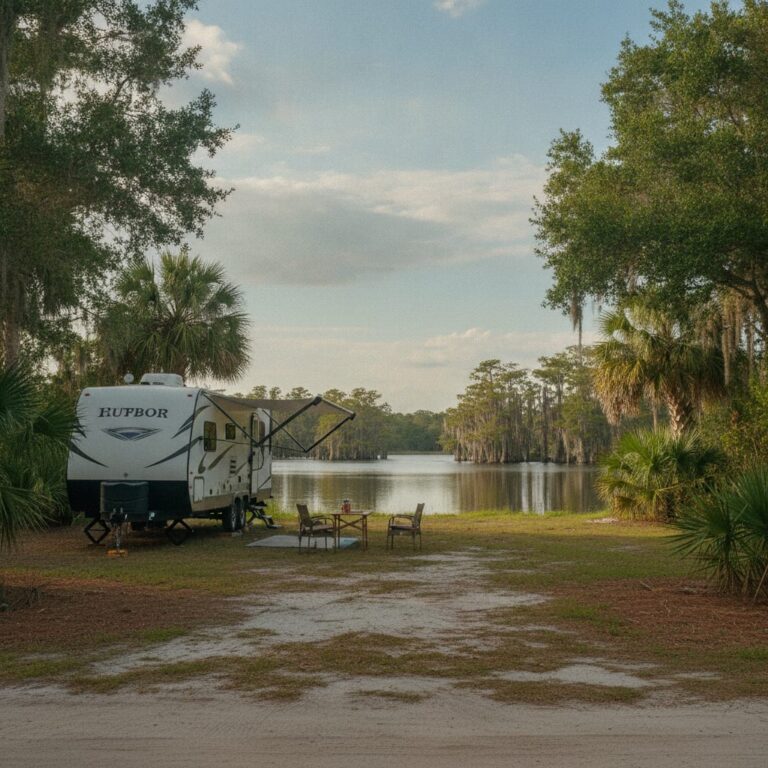
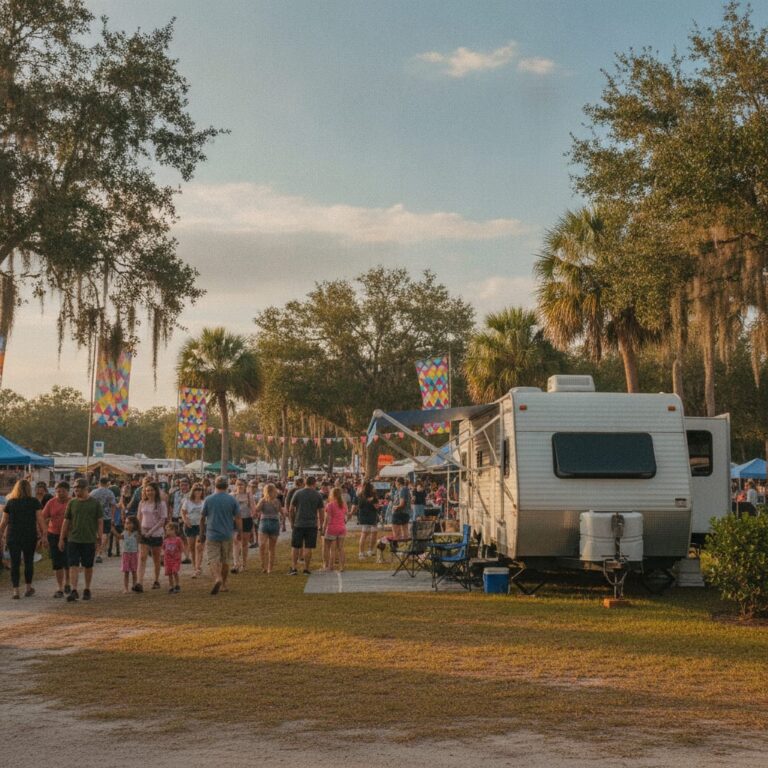
Every January and February I start getting calls from birders . Serious ones. With spotting scopes and life lists . Asking whether they can base an RV right on the Lake Apopka Wildlife Drive. The honest answer I give every time: the Wildlife Drive itself is day-use only. Open Friday through Sunday from sunrise to sunset. No overnight hookups, no RV camping on-site. What I can do is deliver and fully set up an RV at one of the nearby full-hookup campgrounds in Lake County. So you roll out of bed five minutes from the gate instead of driving an hour from a hotel. That’s the setup I’ve dialed in for dozens of Lake Apopka visits. And it changes the whole experience.
Why the Lake Apopka Wildlife Drive Pulls People Back Year After Year
Lake Apopka is the fourth-largest lake in Florida. And after decades of agricultural runoff and restoration work. The North Shore Wildlife Drive has quietly become one of the most productive birding corridors in the entire southeastern United States. I’m not just repeating tourism copy here . I’ve driven that road myself on delivery days when the timing worked out. And the sheer density of wading birds in the flooded agricultural fields along Lust Road and Apopka-Beauclair Road is something you don’t forget. Roseate spoonbills, anhingas, black-bellied whistling ducks, painted buntings in winter — the list is legitimately staggering.
The drive runs roughly 11 miles along the north shore of the lake. Accessed off Lust Road near Zellwood. Just off US-441 south of Tavares. From where I’m based in Tavares, that’s about a 20-minute drive south on US-441. If you’re coming from Orlando or staying near Clermont. You can pick it up via SR-429 to US-441 north . Still under 45 minutes from most of the metro. The gate opens at sunrise. And on a winter weekend the parking area at the entrance fills faster than people expect. That’s another reason I tell my RV renters: being camped nearby. You can be at the gate when it opens. Not fighting I-4 traffic at 6 a.m.
Where I Set Up RVs for Lake Apopka Wildlife Drive Visits
Since there’s no overnight camping at the Wildlife Drive itself. The campground I point most of my Lake Apopka customers toward is Lake Griffin State Park in Fruitland Park, just north of Leesburg on US-27. It sits right in the Harris Chain of Lakes corridor, has full-hookup sites. And from there you’re looking at roughly 25 minutes down US-441 to the Wildlife Drive entrance near Zellwood . A very manageable morning drive. Especially when you’ve had coffee in your own RV kitchen. The park itself has boat ramps and trails. So if the Wildlife Drive is only open Friday through Sunday, you’re not sitting idle the rest of the week.
Lake Louisa State Park in Clermont is another option I use for guests coming in from the south or the I-4 corridor. The sites there require a longer haul to the Wildlife Drive — closer to 40 minutes. However, if you’re also planning a day at Wekiwa Springs or a trip toward Kissimmee. The location works well as a central base. I’ve delivered everything from compact travel trailers to larger rigs at Lake Louisa. Though I’ll be honest: the entrance road and some of the loops there run a bit tight for the biggest units. So I always confirm the rig size before I commit to that site.
For guests who want the most flexibility, Clermont KOA Holiday is a full-service private campground with consistent hookups and amenities. And it puts you on the SR-429 / US-441 corridor that makes the Wildlife Drive straightforward to reach. I’ve set up rigs there on short notice before . They tend to have more availability than the state parks on peak winter weekends. Which matters a lot when someone calls me Tuesday wanting something for Friday.
The Best Time of Year to Visit — and What the Weather Actually Does
If you’re coming specifically for birds, November through March is the window. Migratory species are in, the summer heat hasn’t arrived yet. And the flooded fields along the north shore hold water that concentrates wildlife in ways that genuinely make the drive feel like something out of a nature documentary. January and February are the peak months . I book up faster for Lake Apopka wildlife weekends in February than for almost anything else on my calendar except maybe spring break.
Central Florida winters are mild by most standards . Daytime highs in the low-to-mid 70s. Overnight lows that can dip into the upper 40s or low 50s in January. I always remind first-time renters that “Florida winter” still means bring a light jacket for early morning drives along the lake. Especially if you’re planning to have the windows down on the Wildlife Drive. Also, you will want the windows down. Inside an air-conditioned car you miss half the sounds. I make sure every rig I deliver has working heat for those overnight lows. Which in a properly equipped RV is a complete non-issue.
Summer visits are a different conversation. The Wildlife Drive is open year-round on its Friday-Sunday schedule. But July and August along the lake mean heat indexes pushing 105°F by midmorning, afternoon thunderstorms nearly every day. And mosquito pressure that is not subtle. If you’re coming in summer, plan to be on the drive at first light and back at your RV by 10 a.m. The RV’s air conditioning becomes less a luxury and more a survival tool. I’ve had guests do it and enjoy it — you just go in with realistic expectations.
How I Deliver and Set Up Your RV for a Lake Apopka Trip
My delivery process is straightforward: you tell me which campground you’ve reserved. I confirm the site dimensions and any access restrictions. I load the right rig onto the truck. And I drive it out and have it set up . Leveled. Connected to hookups. Ready to sleep in — before you arrive. You don’t tow anything, you don’t need a hitch, you don’t need any RV experience. I walk you through the basics of the unit when I drop it. And I’m reachable by phone the whole trip if something comes up.
One thing I pay attention to on the Lake Griffin and Lake Louisa deliveries specifically: site length. State park sites in Florida were often designed in an era of smaller rigs. And a few of the pull-through sites that look generous on a map are tighter than the numbers suggest once you factor in slideouts and awnings. I’d rather put you in a rig that fits your site comfortably than squeeze a 35-footer into a spot that’s going to stress you out every time you open the door. When you reach out to book, I’ll ask about your site number or loop. And I size the recommendation around that — not the other way.
Inclusions and amenities vary by the specific unit you rent. So reach out to me directly and I’ll tell you exactly what’s in the rig you’re looking at. You can call or text me at 407-394-2658 or email [email protected] — I check both regularly and I’ll get back to you the same day during business hours.
What Else Is Worth Doing While You’re Based in Lake County
The Wildlife Drive is the draw. But being camped in Lake County gives you a lot of range without moving the RV. Here’s how I’d think about building a week around it:
- Mount Dora Historic Downtown — About 15 minutes east of the Wildlife Drive entrance on US-441. The waterfront on Lake Dora is worth a morning. And if you’re there during one of the antique festivals or art festivals that run through the season, the town genuinely fills up. Parking a tow vehicle downtown is easy; parking an RV is not. So leave the rig at the campground.
- Wekiwa Springs State Park — About 35 minutes southeast via SR-46. One of the clearest freshwater springs in Central Florida. And a complete contrast to the open agricultural landscape of Lake Apopka. If you have kids in your group, the spring swim is the highlight of the trip.
More Helpful Details
- Seaplane Adventures in Tavares — I drop off a lot of RVs for people who combine the Wildlife Drive with a seaplane flight over the Chain of Lakes. Tavares bills itself as “America’s Seaplane City” and the flights genuinely give you a perspective on how massive the Harris Chain is. This is an easy half-day add.
- Silver Springs State Park — About an hour north on US-441 through Ocala. The glass-bottom boat tours have been running there since the 1870s. Combine it with a drive through Ocala National Forest if you have an extra day.
- The Harris Chain of Lakes — If your campground has a boat ramp (Lake Griffin State Park does). And if the RV you rent includes any water-access gear or you bring your own kayaks. The chain connecting Lakes Harris, Griffin, Dora. And Eustis is exceptional paddling and fishing country. Bass fishing on the chain has a serious following in Central Florida.
- Leesburg and The Villages area — If you’re traveling with a mixed group and someone wants live music. Shopping. Or a farmers market day while you’re at the Wildlife Drive. Leesburg and The Villages are both within 30 minutes of most Lake County campgrounds and offer plenty of non-outdoor entertainment.
Booking Your Lake Apopka Wildlife Drive RV Rental
The conversation I’d rather have with you is early rather than late. Winter weekends — especially February — fill up at the state parks fast. And I book rigs in this market on a first-come basis. If you’re targeting a specific Wildlife Drive weekend. Lock in your campground reservation first (Florida state park reservations open six months out at floridastateparks.reserveamerica.com), then call or email me so I can match you with the right rig for your site.
I’m not a call center — when you reach out. You’re getting me. The person who will actually drive the rig to your site and set it up. That means I can give you real answers about what fits at Lake Griffin versus Lake Louisa. Which units are available for your dates. And what the delivery logistics look like from Tavares to your specific campsite. Call or text me at 407-394-2658, or send an email to [email protected], and we’ll get you sorted.
Ready to see what’s available? Browse the fleet to get a sense of the units we run in the Central Florida / Lake County area, and if you’re still figuring out where to camp, our campgrounds and RV parks guide covers the options I know best across Lake County and the surrounding region . Written from the same boots-on-the-ground perspective I bring to every delivery.